
.png)
Vietnam


Best Time to Visit Vietnam: April and November
Vietnam stretches over 1,600 kilometers from north to south, which means weather operates on regional logic rather than national. April sits at the tail end of the dry season in the south while the north warms up into spring. November marks the transition between monsoons, offering a brief window when most of the country is accessible and pleasant. If you're wondering when to visit Vietnam, these two months let you experience the country's full length without constantly dodging rain or heat.
April: Late Dry Season and Spring North
April in southern Vietnam means the dry season is ending but hasn't quite tipped into the wet season's intensity. Ho Chi Minh City (Saigon) is hot, usually pushing into the low-30s Celsius, but manageable if you plan around the heat. The Mekong Delta is accessible and lush, with boat trips through the canals revealing floating markets, fruit orchards, and stilted houses along the water.
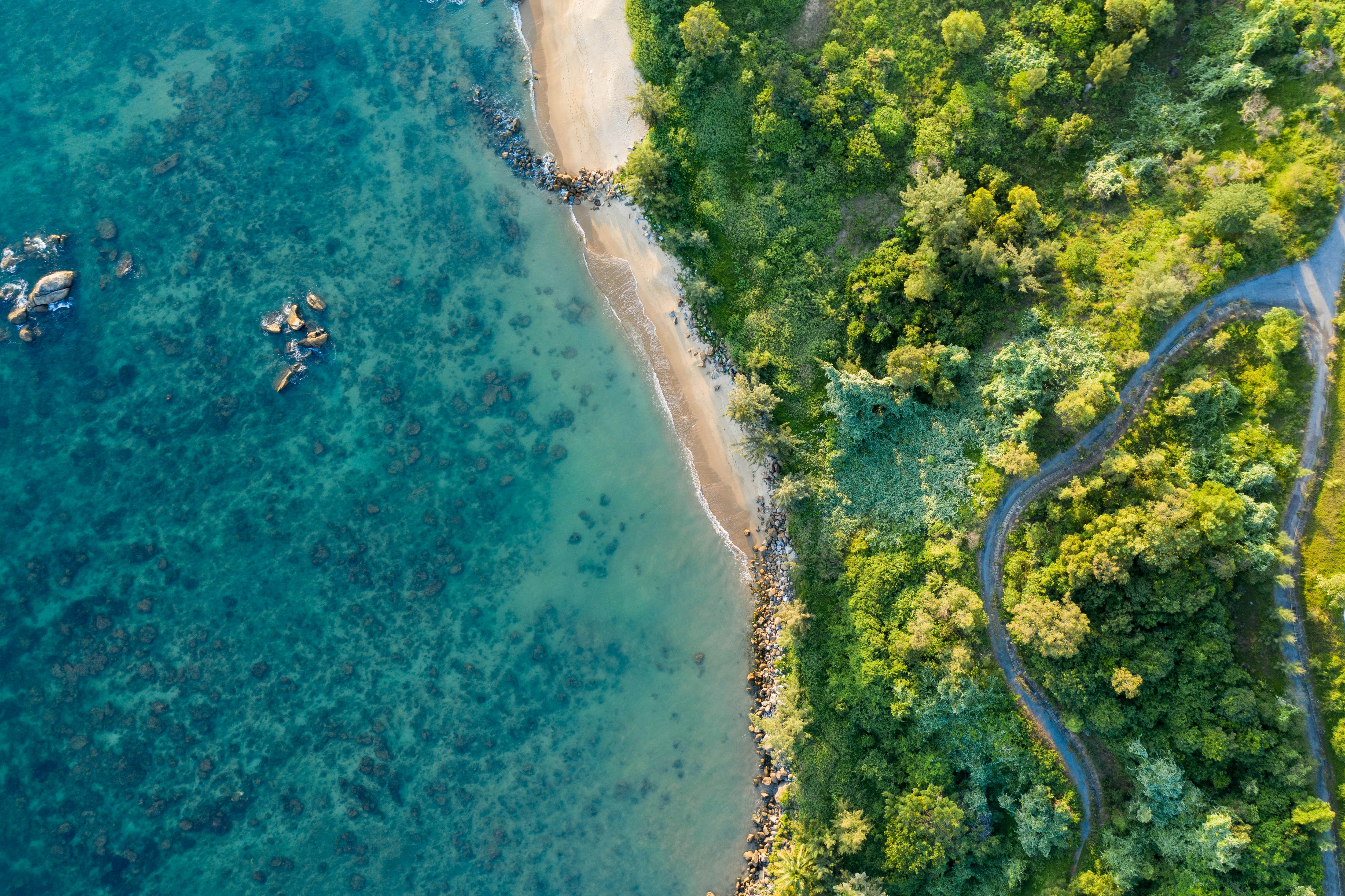
Central Vietnam in April is ideal. Hoi An's Ancient Town, with its lantern-lit streets and Japanese bridge, is warm but not oppressive. The nearby beaches at An Bang and Cua Dai are perfect for post-temple relaxation, and the water temperature is comfortable for swimming. Hue's imperial citadel and royal tombs are best explored in April before the summer heat and rains arrive in force.
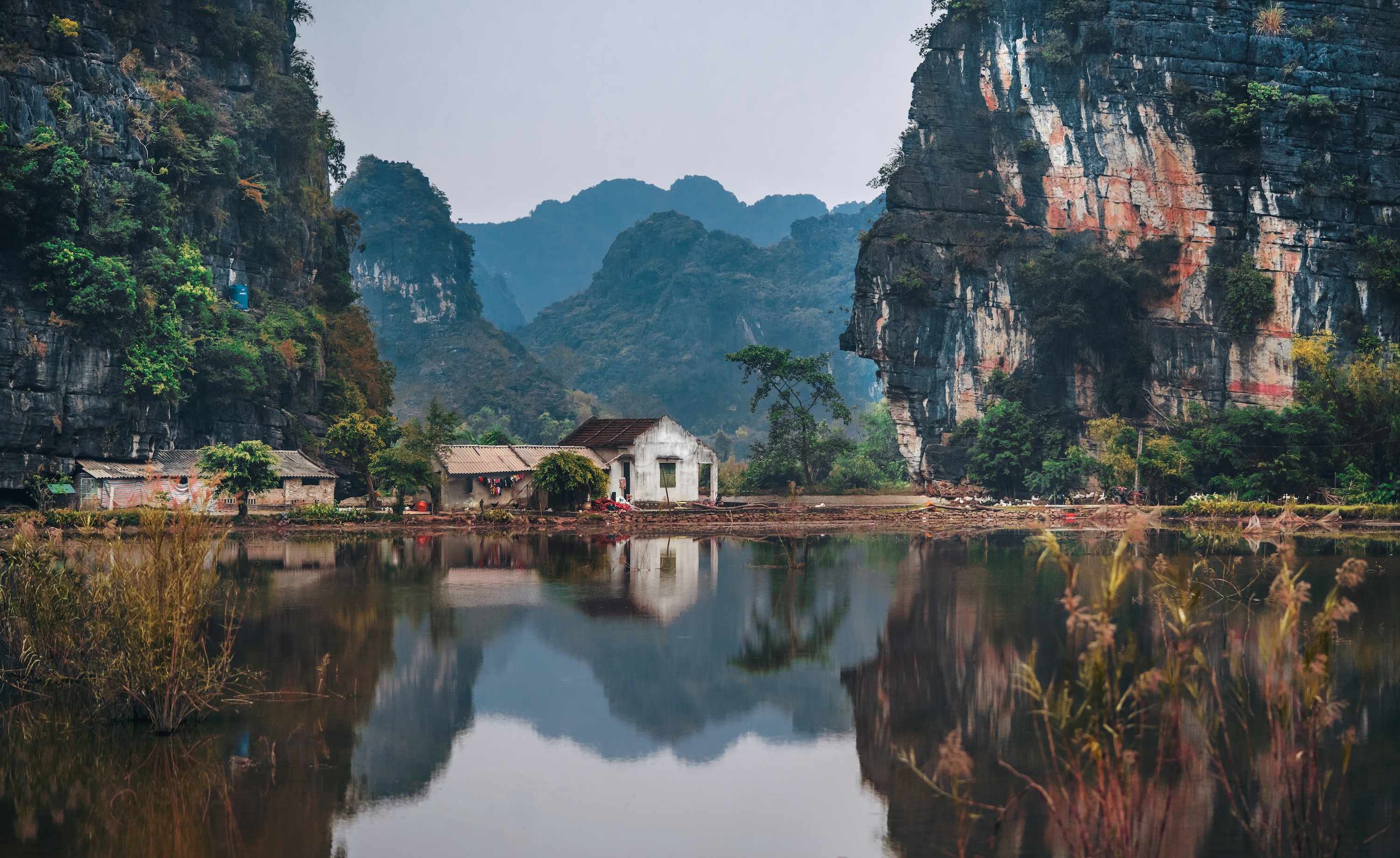
Northern Vietnam, including Hanoi and Halong Bay, warms up nicely in April. The temperatures sit comfortably in the mid-20s, and the humidity is lower than later in the year. Halong Bay's limestone karsts rising from emerald water look particularly dramatic in April's clear weather, and the overnight cruises through the bay are pleasant without being stifling.
November: Between Monsoons

November is the transition month when Vietnam's various regional weather patterns briefly align. The south is entering its dry season, the center is past the worst of its autumn rains, and the north is cooling into comfortable temperatures. It's not perfect everywhere simultaneously, but it's as close as Vietnam gets to a national sweet spot.
The timing matters for specific regions. Early November can still see tail-end typhoons affecting central Vietnam, particularly around Hoi An and Hue. By mid to late November, the weather typically stabilizes and becomes excellent. The rice terraces in Sapa and the northern highlands turn golden with harvest, creating those postcard-perfect stepped landscapes.
Halong Bay in November offers cooler temperatures and clearer skies than the humid summer months. The bay sees fewer tourists than peak season (December through February), but the weather is still cooperative for kayaking through caves and swimming in secluded lagoons. The overnight cruises feel more intimate when the boats aren't at capacity.
Where We'd Stay: Six Senses Ninh Van Bay

For coastal Vietnam, Six Senses Ninh Van Bay sits on a private peninsula near Nha Trang, accessible only by boat. The property offers beachfront villas and hillside options, all with private pools and direct access to either the beach or dramatic rock formations. The design incorporates natural materials and Vietnamese architectural elements without feeling contrived.
What sets Ninh Van Bay apart is the genuine seclusion. You're removed from mainland Vietnam's energy, surrounded by jungle-covered hills and clear water. The resort emphasizes wellness, with a spa built into the rocks and activities ranging from snorkeling to cooking classes focused on Vietnamese cuisine. April and November are ideal here because the water is calm, visibility is excellent, and the temperatures make the hillside villas comfortable rather than sweltering. Through our Virtuoso partnership, you'll receive daily breakfast, a resort credit, and room upgrades when available.
Why These Months Work
Vietnam's length means there's no single "best" month for the entire country, but April and November come closest to threading that needle. Both months offer access to Halong Bay, Hoi An, and the major cities without extreme weather blocking your plans. You're avoiding both the peak summer heat and humidity (May through August) and the heavy rains that can disrupt travel in various regions.
April leans slightly warmer overall but offers drier conditions in the south. November provides more comfortable temperatures in the north but requires some flexibility for central Vietnam's weather. Either month gives you Vietnam when it's cooperative enough to move freely between regions, which matters in a country where each area offers something distinct.
Ready to explore Vietnam's diversity? Enquire with The Camel Collection and let us design your Vietnamese journey, from Halong Bay to ancient towns to coastal retreats, complete with exclusive Virtuoso benefits.

.webp)


.svg)
.svg)
© 2025 Camel Collection
Hughenden, Rock Road, Rock, Cornwall, United Kingdom, PL27 6PW