
.png)
Oman


Oman in March: Why It's One of the Best Times to Visit
Oman is what happens when Arabia meets sophistication. There are forts perched on desert cliffs, souks that still sell frankincense by weight, and wadis (desert canyons) where crystal-clear pools appear impossibly between rust-colored rocks. If you're wondering when to visit Oman, March hits the sweet spot: the winter rains have turned the desert green, temperatures are warm but not punishing, and the country feels lush in a way that seems to contradict everything you thought you knew about the Arabian Peninsula.
Perfect! Oman for March — featuring both Six Senses Zighy Bay and Jumeirah Muscat Bay. Writing now:
Perfect Weather Across the Country
March in Oman means temperatures in the mid-20s to low-30s Celsius — genuinely pleasant for exploring rather than just surviving. Muscat, the capital, is comfortable for wandering the Mutrah Souq or visiting the Sultan Qaboos Grand Mosque without wilting. The Hajar Mountains, which run through the country's interior, are accessible and spectacular, with villages like Misfat al Abriyeen clinging to cliffsides and ancient falaj irrigation systems still functioning.
The deserts — Wahiba Sands and the Empty Quarter — are at their best in March. The winter rains bring temporary greenery and wildflowers that transform the dunes from monochrome to surprisingly colorful. It's also cool enough at night that sleeping under the stars in a luxury desert camp feels romantic rather than masochistic.
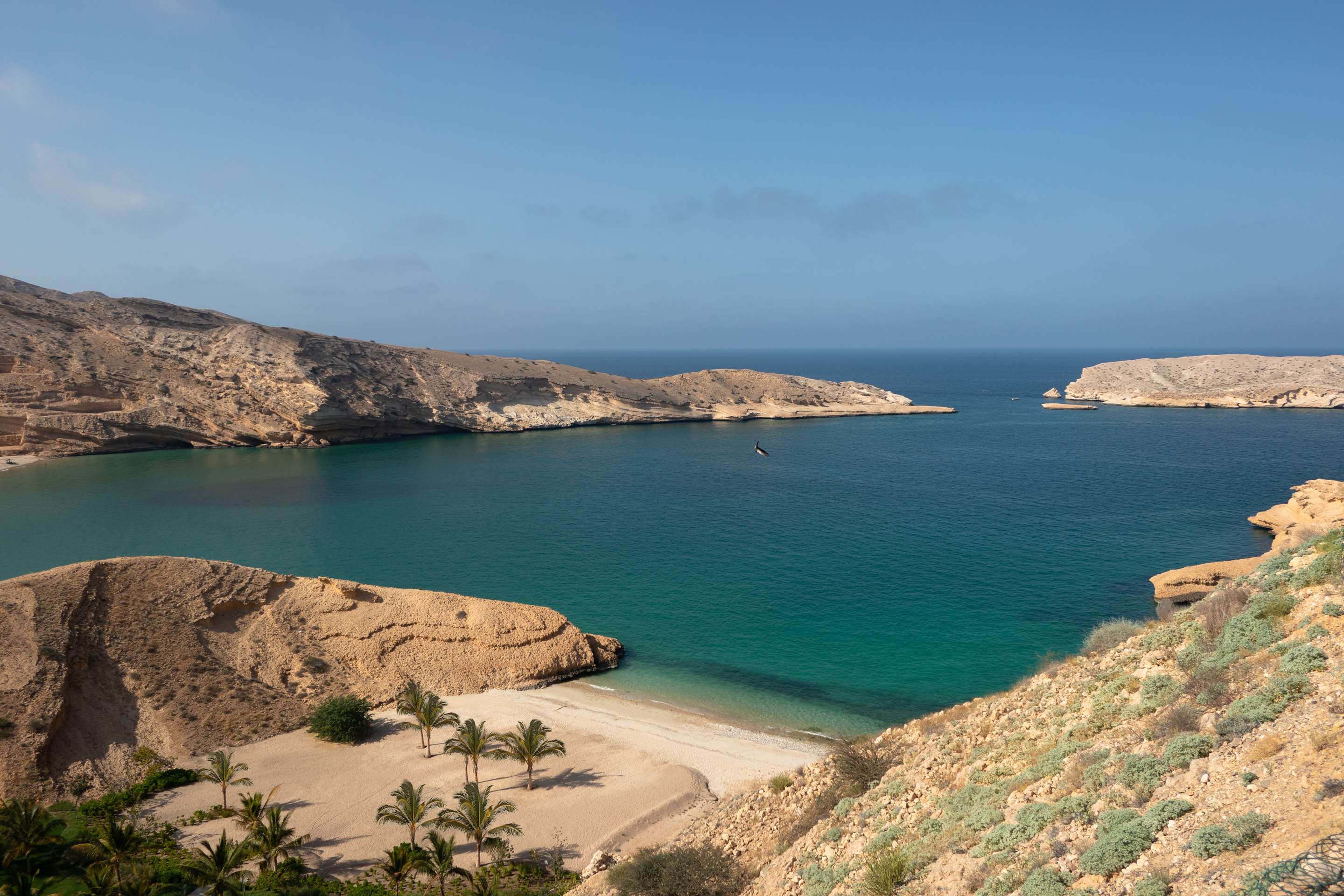
The coast is equally appealing. The beaches along the Musandam Peninsula and around Salalah are warm enough for swimming, and the diving and snorkeling are excellent with good visibility and comfortable water temperatures.
Green Season and Flowing Wadis
Here's what makes March special: Oman gets winter rains from November through February, and March is when you see the results. The wadis — Wadi Shab, Wadi Bani Khalid, Wadi Damm — are flowing with clear water, creating swimming holes and waterfalls that feel like desert miracles. The hikes into these canyons are manageable in March's temperatures, and the payoff of plunging into cool water after a dusty trail is hard to overstate.
The Hajar Mountains turn surprisingly green in March. The terraced farms around Jebel Akhdar (the Green Mountain) produce pomegranates and roses, and the rose harvest typically begins in late March or early April. The mountain villages, with their stone houses and ancient irrigation channels, offer a glimpse of Omani life that feels centuries removed from Muscat's modernity.
March also brings migratory birds through Oman, particularly along the coast and in the wetlands. It's not a primary birding destination, but the variety is impressive for a desert country.
Where We'd Stay: Six Senses Zighy Bay and Jumeirah Muscat Bay
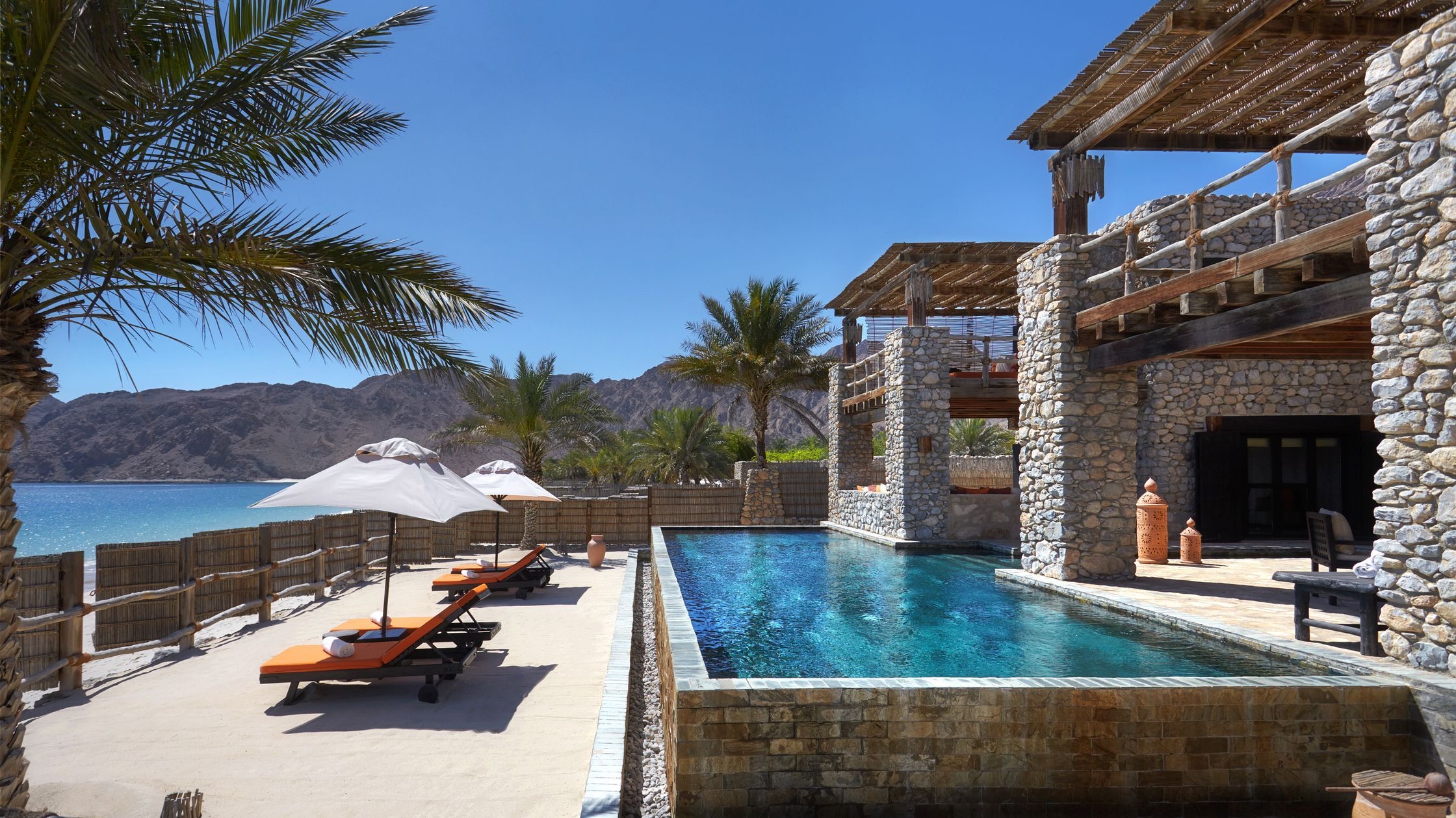
For coastal luxury with drama, Six Senses Zighy Bay sits on the Musandam Peninsula, accessible either by boat or by paragliding over the mountains (yes, really). The property occupies an isolated bay backed by dramatic cliffs, with private pool villas that open directly onto the beach. The architecture nods to traditional Omani stone houses without feeling theme-park, and the spa is exceptional.
What sets Zighy Bay apart is the sense of remoteness. You're genuinely isolated here, surrounded by mountains and sea, with activities ranging from diving to mountain biking to simply doing nothing on your villa's terrace. March is ideal — the water is warm, the weather is perfect, and the isolation feels luxurious rather than claustrophobic. Through our Virtuoso partnership, you'll receive daily breakfast, a resort credit, and room upgrades when available.
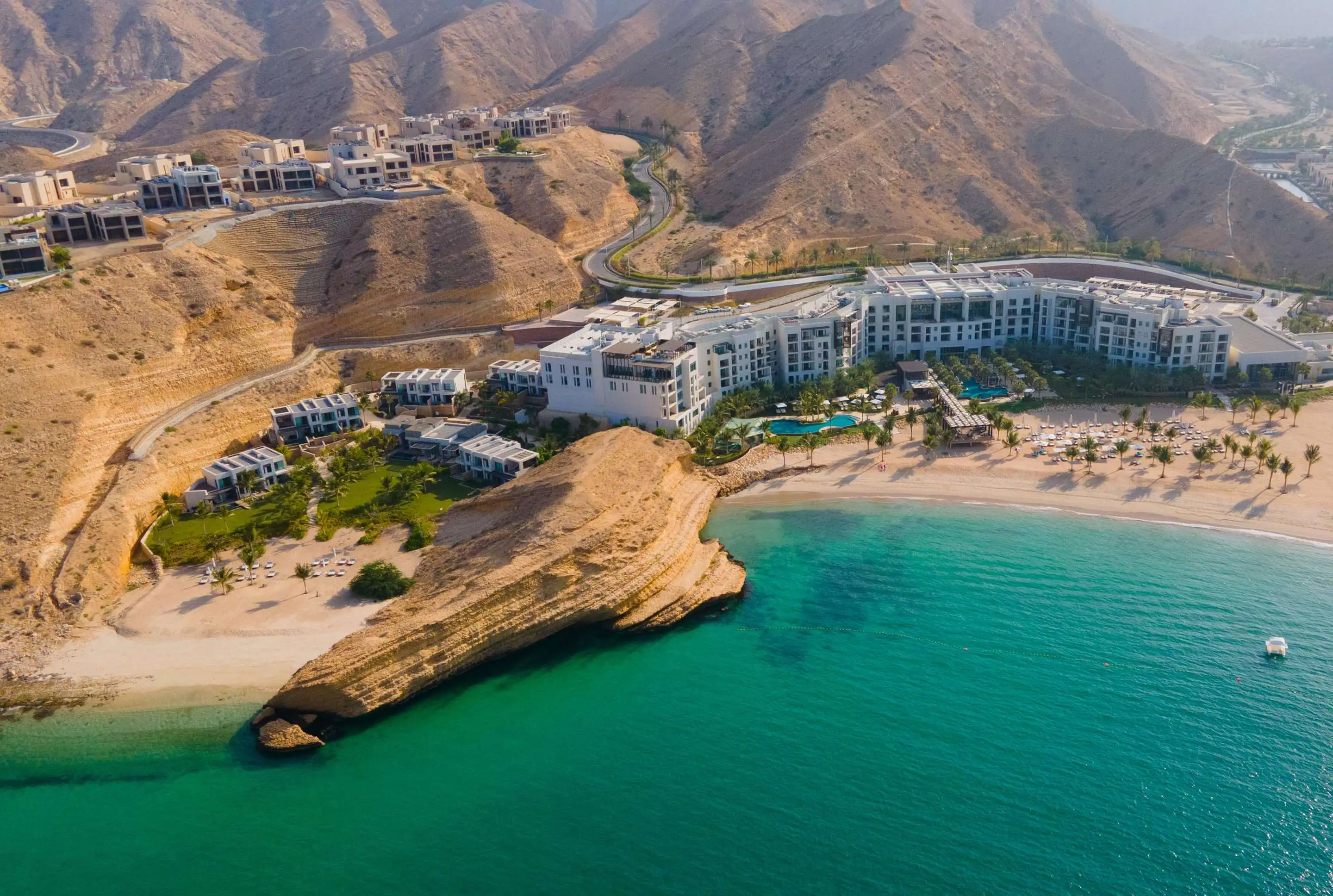
For a more polished, accessible coastal experience, Jumeirah Muscat Bay offers contemporary luxury just 15 minutes from Muscat. The property sits on a private bay with a beach, multiple pools, and rooms that maximize the sea views. The design is sleek and modern — a departure from heritage properties elsewhere in Oman — and the spa and dining are consistently excellent.
Jumeirah works particularly well if you're combining beach time with cultural exploration of Muscat and day trips into the interior. March is when the property's outdoor spaces truly shine, and it serves as an ideal base for exploring northern Oman's diversity. Virtuoso perks include daily breakfast, a resort credit, and room upgrades when available.
Why March Works
March avoids Oman's extremes. Summer (June-August) is brutally hot, with temperatures regularly exceeding 40°C. Winter (December-February) can be surprisingly cool, particularly in the mountains. March hits the goldilocks zone: warm enough for beaches, cool enough for desert and mountain exploration, and timed perfectly to see the country at its greenest.
Oman in March also avoids the peak tourist season of December-January, meaning better availability at top properties and a more authentic experience. You're seeing the country when it's most beautiful and most comfortable, without the crowds that have discovered the Gulf's most understated destination.
Ready to discover Oman's contrasts? Enquire with The Camel Collection and let us design your Omani journey - from mountain villages to desert adventures to coastal luxury - complete with exclusive benefits.

.webp)


.svg)
.svg)
© 2025 Camel Collection
Hughenden, Rock Road, Rock, Cornwall, United Kingdom, PL27 6PW