
.png)
Namibia


Best Time to Visit Namibia: June and September
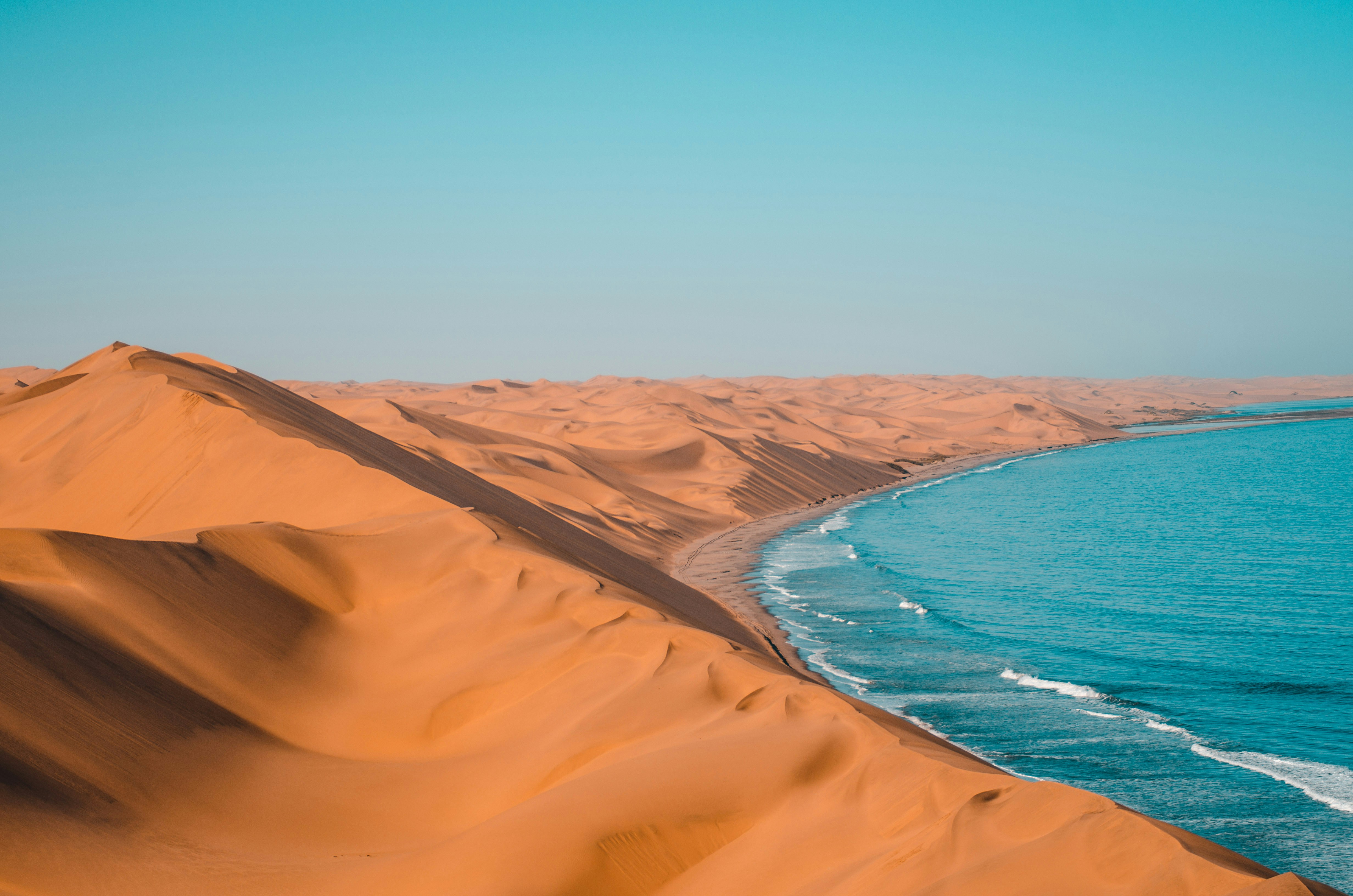
Namibia is Africa's emptiest country, where dunes the color of rust meet the Atlantic and desert elephants somehow survive in landscapes that look incapable of supporting life. If you're wondering when to visit Namibia, June and September bracket Namibia's dry season peak. June brings cooler temperatures perfect for desert exploration, while September offers peak wildlife viewing as animals concentrate around water sources before November rains arrive. Both months deliver Namibia's stark beauty without the complications of wet season travel.
June: Cooler Desert Exploration
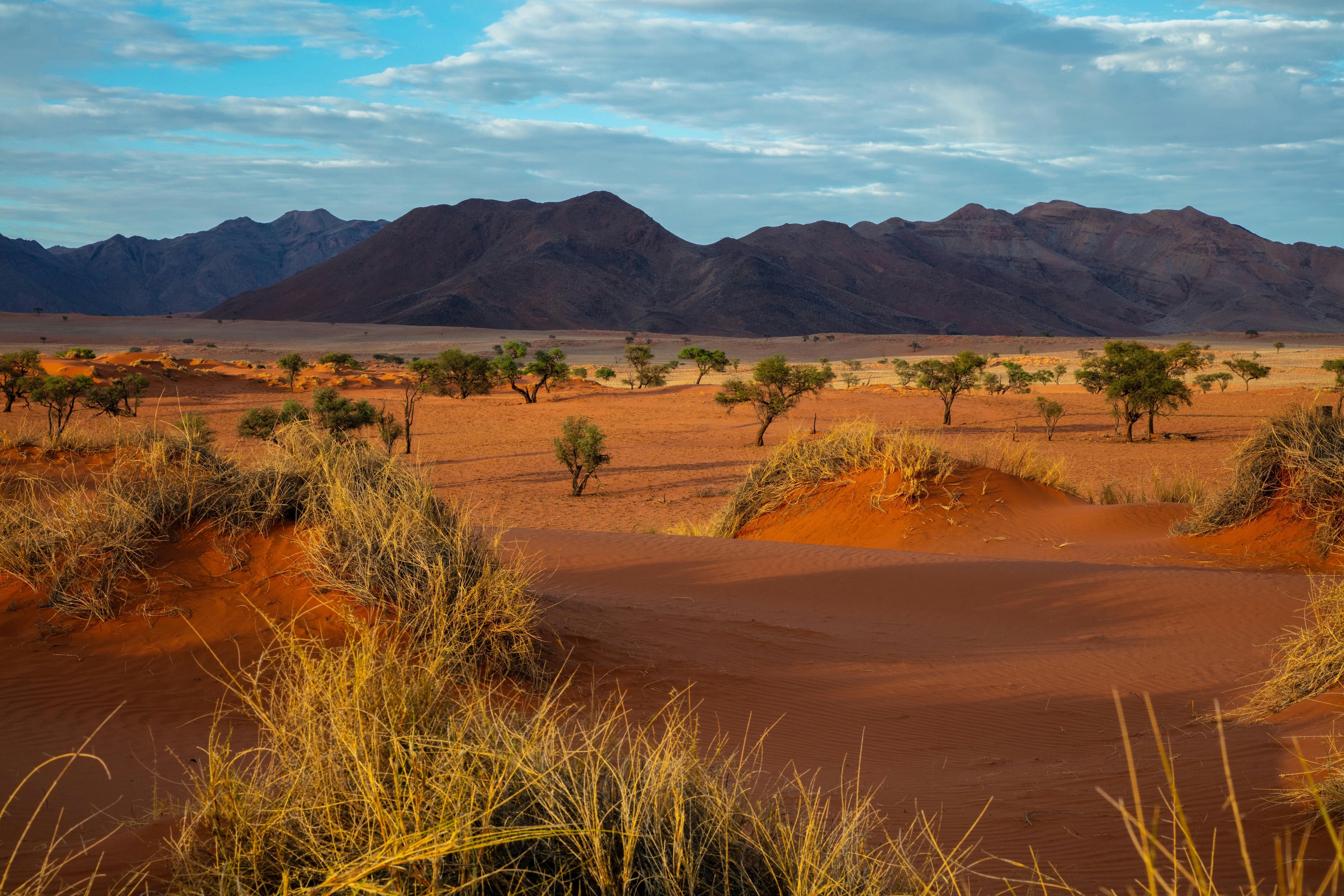
June in Namibia means winter in the Southern Hemisphere, bringing surprisingly cool temperatures to a country dominated by desert. Daytime temperatures sit comfortably in the low twenties Celsius, while nights can drop near freezing. This makes climbing the Sossusvlei dunes at sunrise genuinely pleasant rather than a heat-survival exercise. The famous Dune 45 and Big Daddy dune, some of the world's tallest sand dunes at over 300 meters, are best tackled in June's cooler conditions.
The Skeleton Coast, where shipwrecks rust along beaches where desert meets ocean, is particularly atmospheric in June. The fog that rolls in from the Atlantic creates otherworldly landscapes, and the seal colonies at Cape Cross are active without the summer heat. The desert-adapted elephants in the Kunene region are easier to track in June as they follow predictable routes to water sources.
Etosha National Park, Namibia's premier wildlife destination, sees good game viewing in June though not yet at peak. The animals begin congregating around waterholes as the dry season progresses, and the cooler temperatures make all-day game drives comfortable. The stark white salt pans create dramatic backdrops for wildlife photography.
September: Peak Wildlife Season
September sits at the end of Namibia's dry season, creating the best wildlife viewing conditions. Etosha's waterholes become critical resources, and animals visit with predictable regularity. Elephants, black rhinos, lions, and massive herds of springbok concentrate around the remaining water. The vegetation is sparse from months without rain, making animals easier to spot across the park's various ecosystems.
The temperatures in September warm significantly, often pushing into the low-to-mid thirties during the day. The heat becomes part of the Namibian experience: the shimmering mirages across salt pans, the afternoon refuge in lodge pools, and the relief when evening brings cooler air. The sunrise and sunset light in September is extraordinary, turning the red dunes golden and making the desert landscapes even more photogenic.
September also brings the possibility of seeing desert flowers blooming if winter rains were sufficient. While Namibia's famous Namaqualand flower displays peak in South Africa, Namibia's Richtersveld and southern regions show similar bursts of color after rare rains.
Where We'd Stay: Zannier Sonop and &Beyond Properties

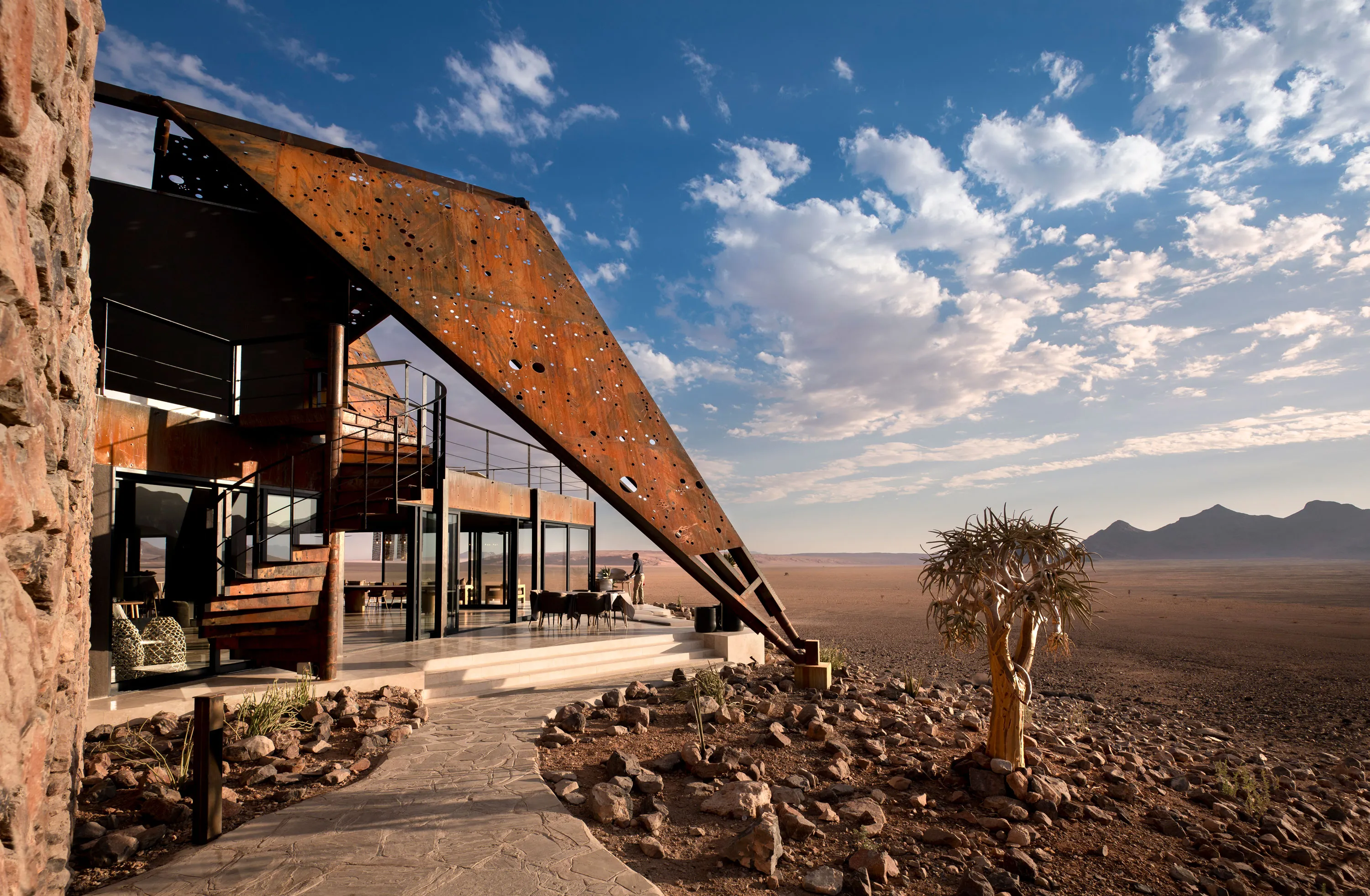
For the Sossusvlei dunes, Zannier Hotels Sonop offers ten 1920s-inspired tented observatories on granite boulders with panoramic desert views. The design references early explorers' camps while providing contemporary luxury including copper bathtubs, Persian rugs, and outdoor showers. The location within the private Namib Tsaris Conservancy provides exclusive access to desert landscapes and dramatic rock formations.
What sets Sonop apart is the combination of romance and remoteness. You're genuinely isolated in the desert, the astronomy program takes advantage of extraordinarily dark skies, and the guided desert drives reveal landscapes that feel extraterrestrial. June and September both showcase the desert beautifully, with June offering cooler exploration and September delivering that intense desert heat that somehow feels appropriate.
For wildlife-focused Namibia, &Beyond operates several camps including Sossusvlei Desert Lodge and the partnership property at Ongava Reserve bordering Etosha. These properties emphasize expert guiding, conservation, and that combination of luxury and wilderness immersion &Beyond has perfected across Africa. September is ideal for Etosha-based properties when wildlife viewing peaks.
Why These Months Work
June and September offer Namibia's dry season when roads are passable, wildlife is accessible, and the desert reveals its stark beauty without complications. June provides cooler temperatures ideal for active desert exploration, while September delivers peak wildlife viewing despite the heat. Both months showcase why Namibia has become essential for travelers seeking Africa beyond the standard safari circuit.
Ready to explore Namibia's deserts? Enquire with The Camel Collection and let us design your Namibian adventure.

.webp)


.svg)
.svg)
© 2025 Camel Collection
Hughenden, Rock Road, Rock, Cornwall, United Kingdom, PL27 6PW