
.png)
Morocco


Best Time to Visit Morocco: March and October
Morocco shifts between extremes - the Sahara can be scorching, the Atlas Mountains snow-capped, and the coastal cities pleasantly Mediterranean. If you're wondering when to visit Morocco, March and October are the goldilocks months: not too hot, not too cold, and positioned perfectly between the tourist peaks. March brings spring bloom and the tail end of Atlas ski season, while October offers harvest time in the valleys and comfortable desert temperatures.
March: Spring Awakening
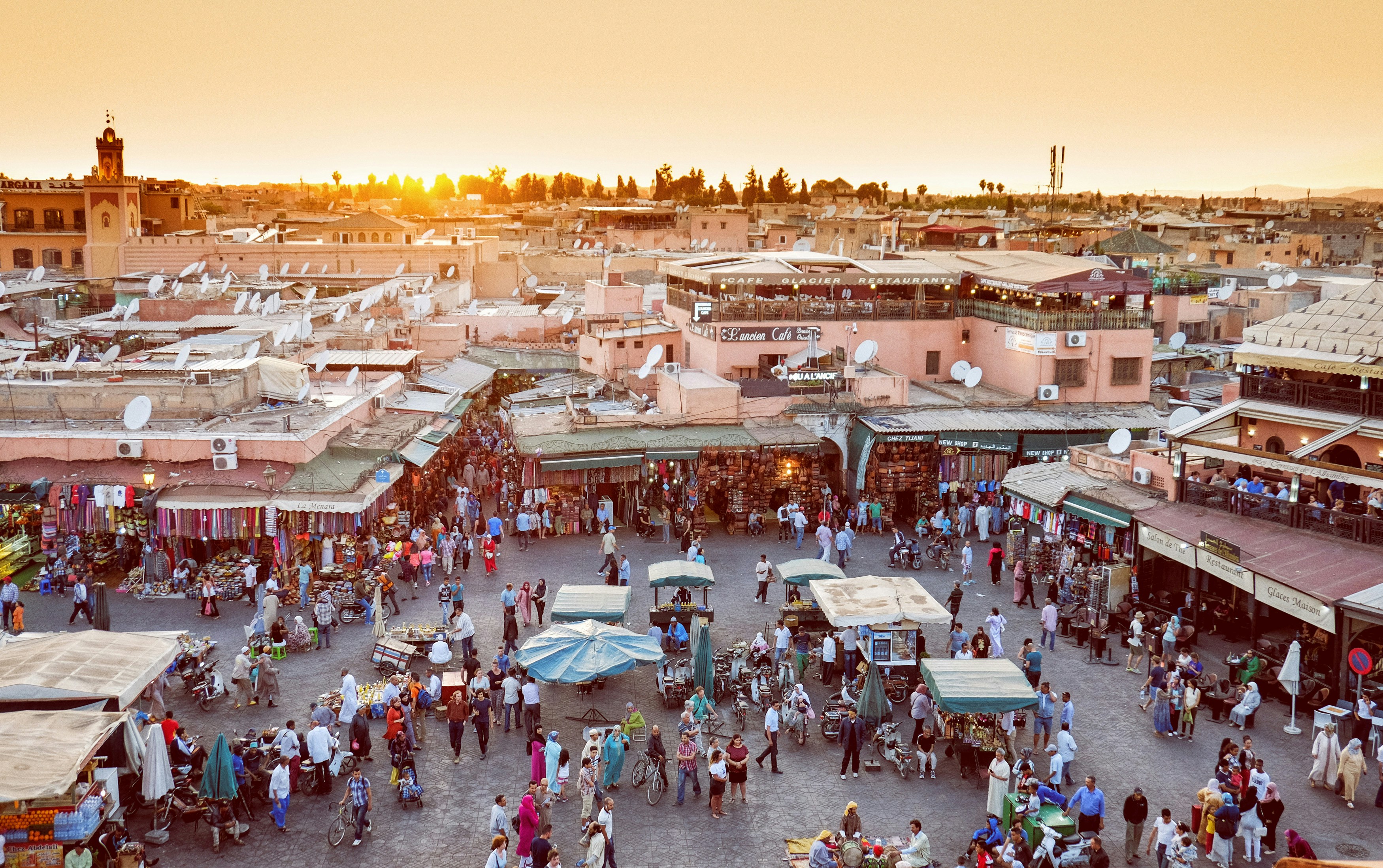
March in Morocco means wildflowers across the Atlas Mountains, almond blossoms in the Ourika Valley, and temperatures that make medina exploration genuinely pleasant. Marrakech sits comfortably in the low-20s Celsius — warm enough for rooftop terraces but cool enough for navigating the souks without overheating. The Djemaa el-Fna square comes alive at dusk, and you can actually enjoy it rather than just endure the heat.
The Sahara in March is ideal. Days are warm but not punishing, and nights are cool enough to make those luxury desert camps feel justified rather than absurd. Erg Chebbi and Erg Chigaga — the two main dune systems — are accessible, and sunrise camel treks or 4x4 excursions deliver that Lawrence of Arabia romance without the risk of heatstroke.
March also brings skiing in the Atlas Mountains. Oukaimeden, Africa's highest ski resort, typically has snow through mid-March. It's not the Alps, but there's something surreal about skiing in the morning and being back in Marrakech for mint tea by afternoon.
October: Harvest and Golden Light
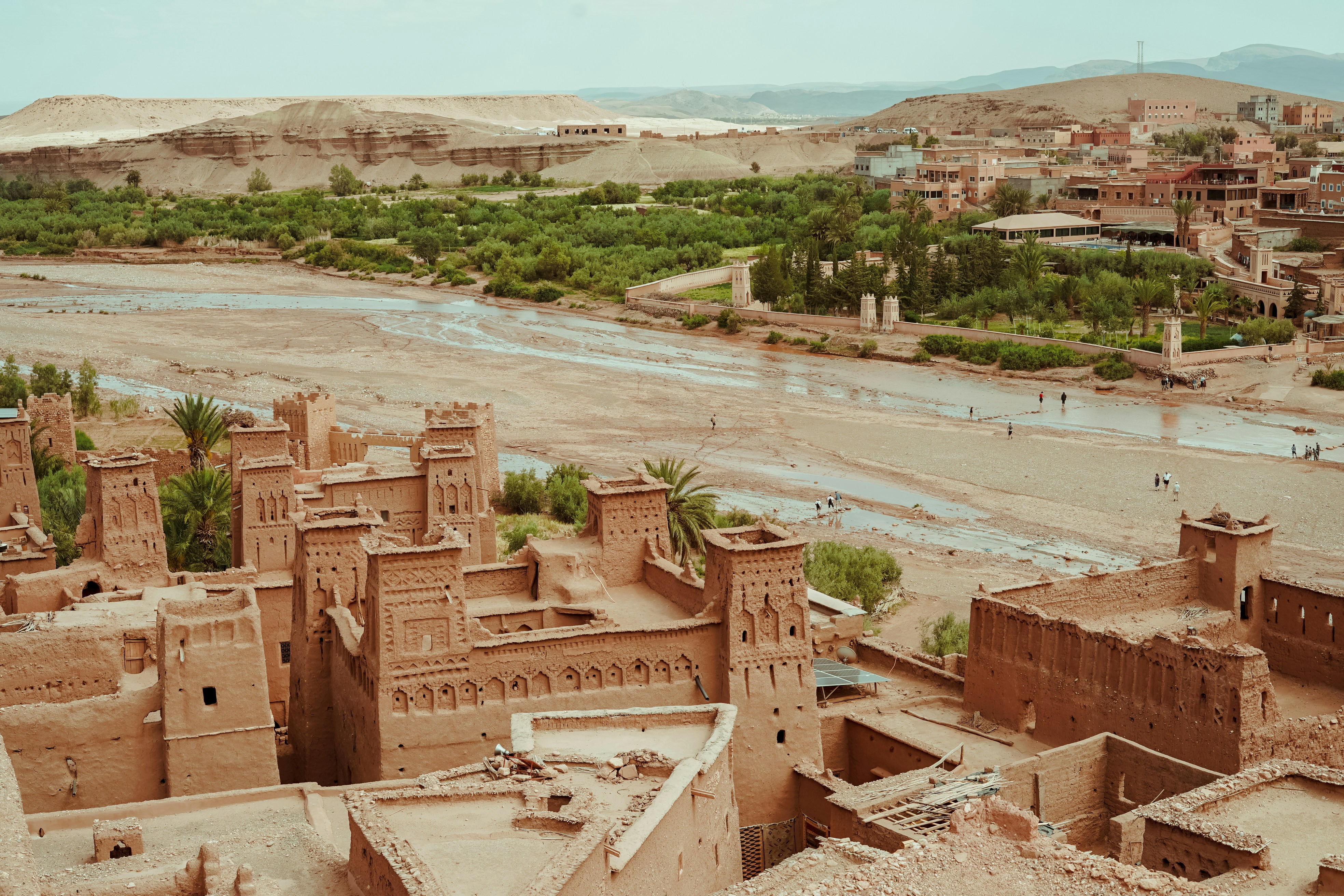
October is when Morocco's valleys come into harvest. The date palms in the Draa and Dades Valleys are heavy with fruit, and the kasbahs — those fortified mud-brick structures that look like they grew from the earth — glow golden in the autumn light. The High Atlas hiking trails are perfect in October: cool mornings, warm afternoons, and the summer heat finally broken.
The imperial cities — Fes, Meknes, Rabat — are more manageable in October. Fes el-Bali, the ancient medina, is extraordinary but overwhelming in summer heat. October makes it possible to spend hours wandering the tanneries, mosques, and maze-like streets without wilting. The riads (traditional courtyard houses turned guesthouses) feel like cool refuges rather than necessities.
October also means the coast is still warm. Essaouira, the laid-back Atlantic port town, is windy year-round but particularly pleasant in October when the summer crowds have dispersed. The beaches stretch empty, the seafood restaurants aren't packed, and the medina feels like it belongs to locals again.
Where We'd Stay: Royal Mansour Marrakech and Kasbah Tamadot
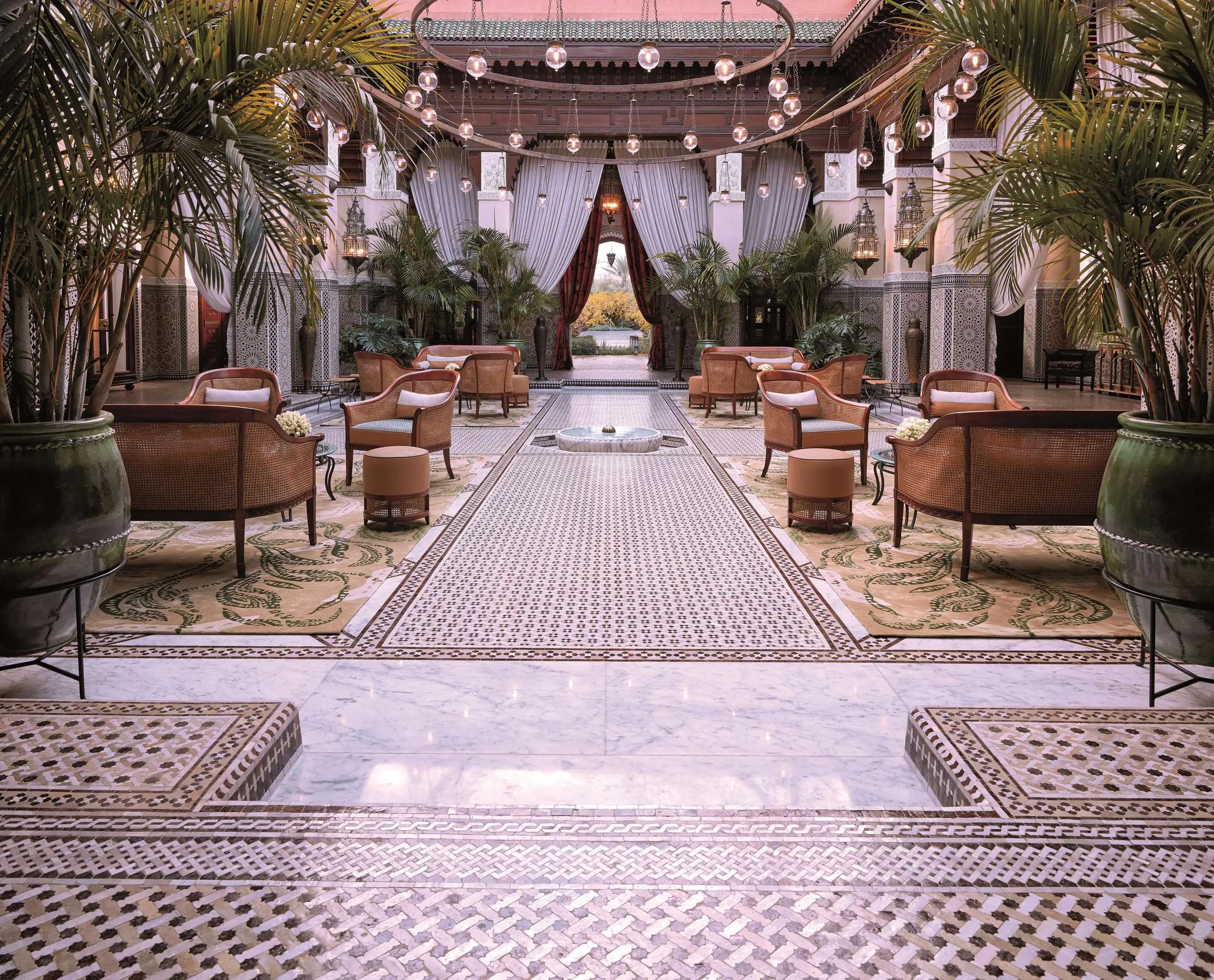
For Marrakech, Royal Mansour is Moroccan luxury at its most opulent. Built by King Mohammed VI, the property consists of individual riads — each a three-story private house with its own courtyard and plunge pool. The craftsmanship is extraordinary: zellige tilework, carved cedar ceilings, and attention to detail that feels almost obsessive. The spa draws on Moroccan hammam traditions, and the restaurants serve both traditional Moroccan and refined French cuisine.
Through our Virtuoso partnership, you'll receive daily breakfast, a spa credit, and room upgrades when available. It's the kind of property that makes you understand why Marrakech has captivated travelers for centuries.
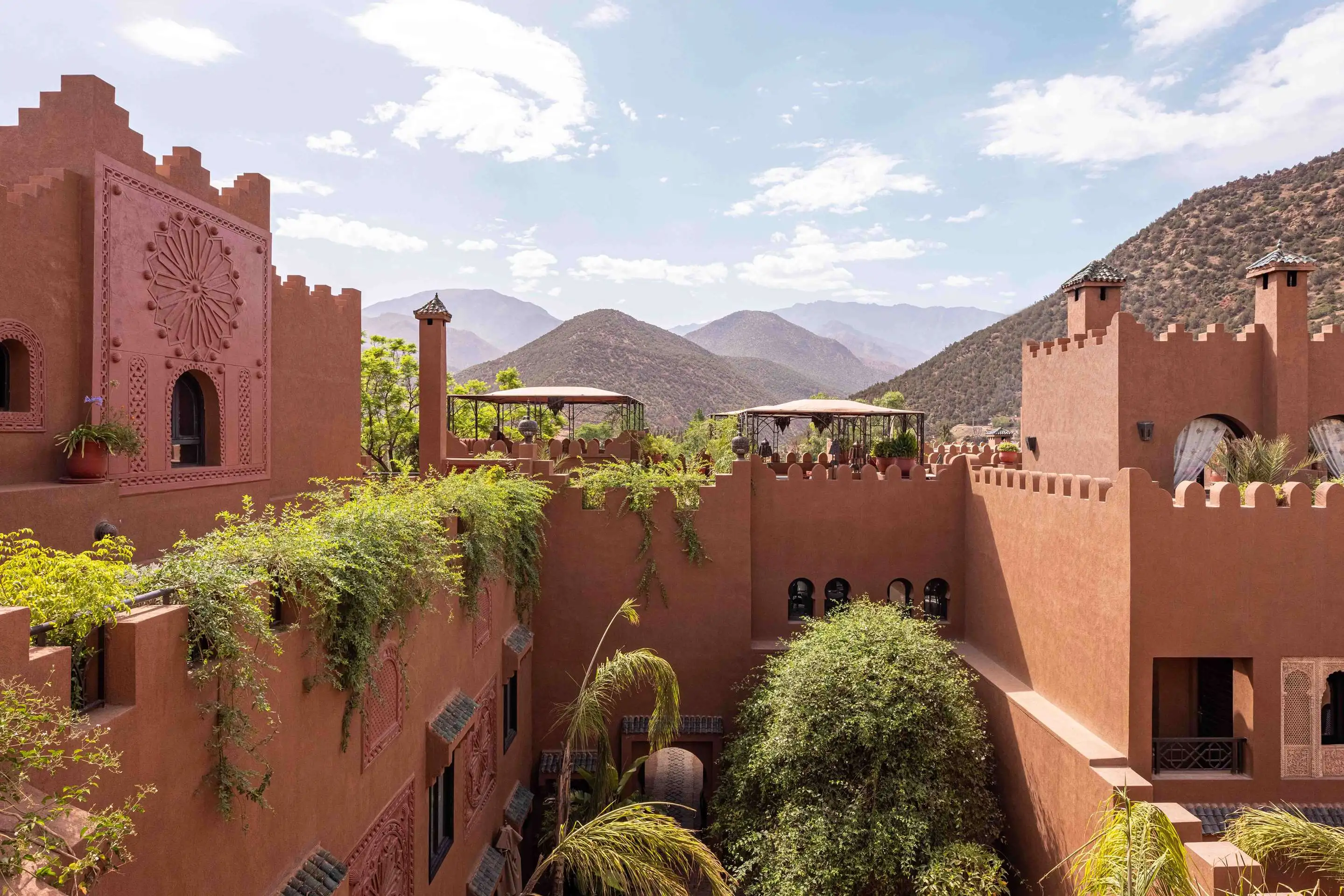
For the Atlas Mountains, Kasbah Tamadot offers something completely different. Richard Branson's mountain retreat sits in the Ourika Valley with views across Berber villages to the High Atlas peaks. The interiors mix Moroccan antiques with bohemian comfort, and the infinity pool seems to drop off into the valley below. March and October are perfect here — hiking trails are accessible, the gardens are in bloom or harvest, and the temperatures make the outdoor terraces ideal for long lunches. Virtuoso perks include daily breakfast, a resort credit, and room upgrades when available.
Ready to explore Morocco's contrasts? Enquire with The Camel Collection and let us design your Moroccan journey — from souks to Sahara to Atlas peaks — complete with exclusive Virtuoso benefits.

.webp)


.svg)
.svg)
© 2025 Camel Collection
Hughenden, Rock Road, Rock, Cornwall, United Kingdom, PL27 6PW