
.png)
Madagascar


Best Time to Visit Madagascar: June and September
Madagascar split from the African continent 165 million years ago, which explains why 90% of its wildlife exists nowhere else on Earth. If you're wondering when to visit Madagascar, June and September sit squarely in the dry season when lemurs are most active, roads are passable, and the weather cooperates across most of the island. June marks the beginning of peak conditions with cooler temperatures. September brings humpback whale watching, warmer weather, and the tail end of dry season before November rains arrive.
June: Dry Season Begins
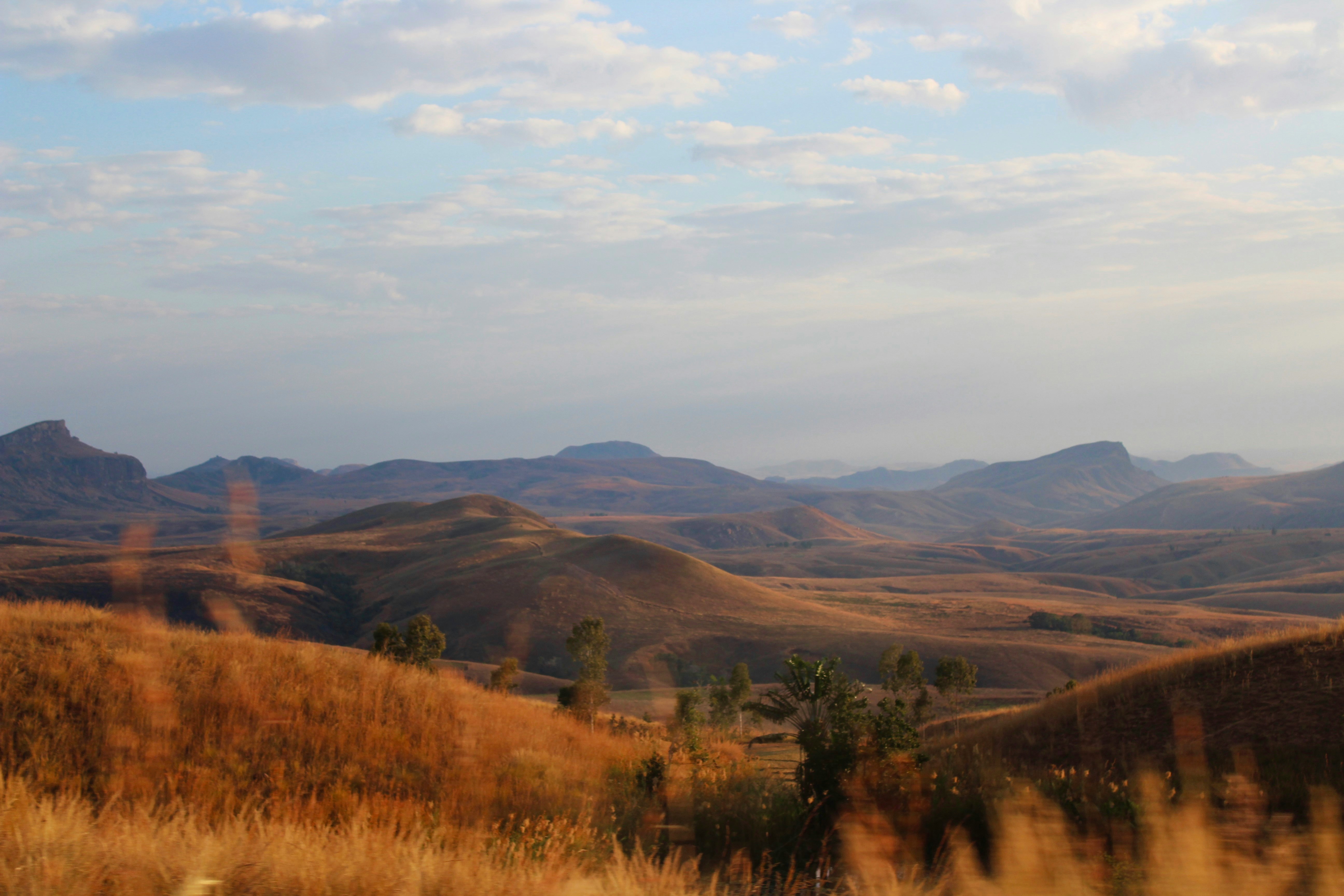
June in Madagascar means the rainy season has definitively ended, leaving roads accessible and national parks operational without mud complications. Temperatures across most of the island sit in the low-to-mid twenties Celsius, comfortable for hiking through rainforests or exploring the otherworldly limestone formations at Tsingy de Bemaraha. The cooler temperatures make wildlife viewing more productive as animals are more active during daylight hours.
The lemurs, Madagascar's most famous residents, are particularly visible in June. The ringtailed lemurs, sifakas, and indris are active after the breeding season, and guides in parks like Andasibe-Mantadia can locate them with practiced efficiency. The indri's haunting calls, which sound more like whale song than primate communication, echo through the rainforest at dawn.
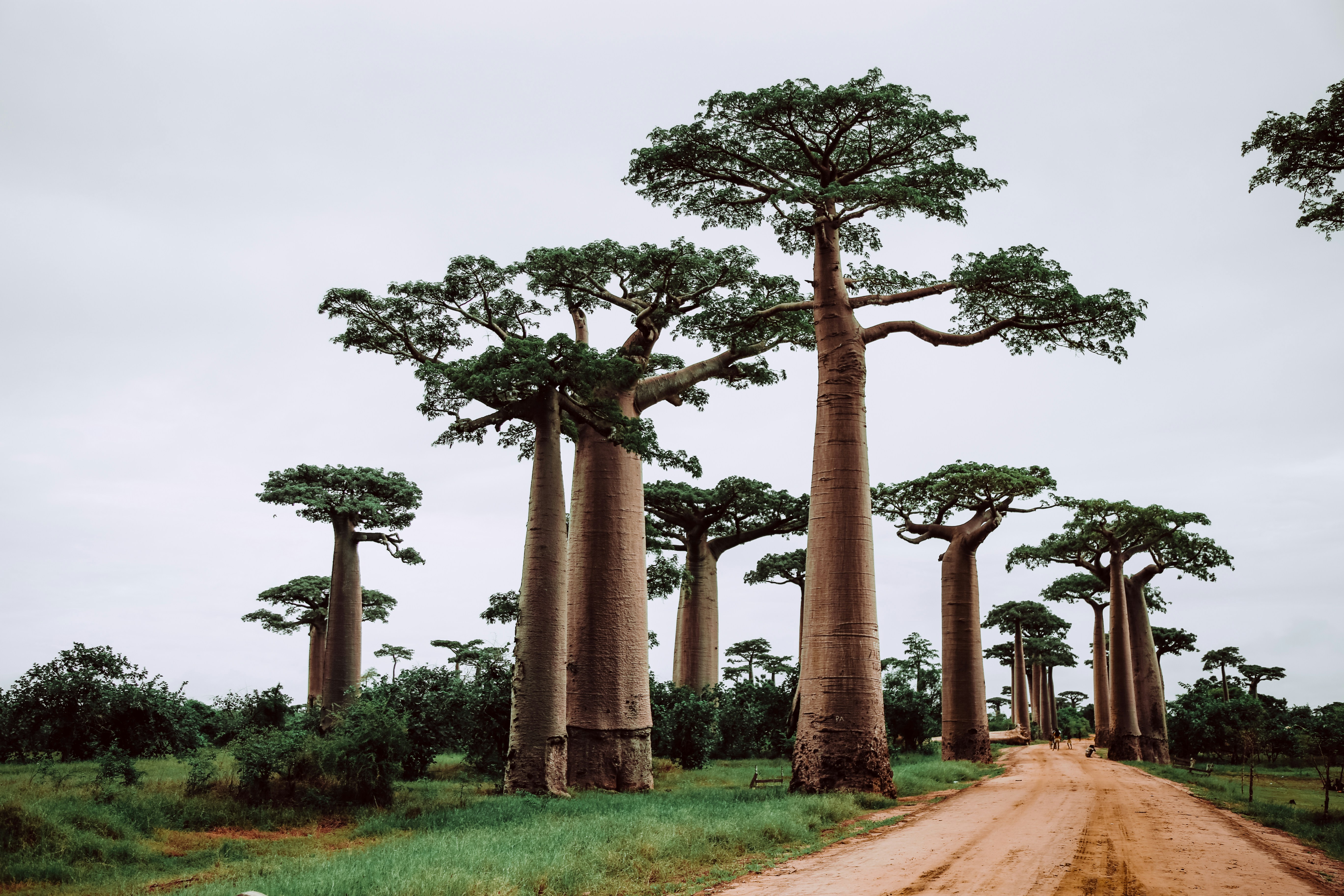
Baobab Avenue near Morondava, where ancient baobab trees line a dirt road creating one of Africa's most photographed landscapes, looks spectacular in June's clear light. The dry season means the road is accessible without requiring serious off-road capability, and the sunset light turns the massive trunks golden.
September: Whale Season and Warming Weather
September is when Madagascar's whale watching season peaks. Humpback whales migrate from Antarctic waters to breed in the warm channels around Île Sainte-Marie (Nosy Boraha) off Madagascar's east coast. The whales are visible from shore in some locations, but boat excursions get close enough to witness breaching, tail slapping, and the interactions between mothers and calves.
The weather in September warms slightly from June's cooler temperatures, sitting comfortably in the mid-twenties. The dry season continues, meaning national parks remain accessible and wildlife viewing stays productive. September also sees fewer tourists than July and August, Madagascar's absolute peak months when French school holidays drive visitor numbers up.
The chameleons, for which Madagascar holds extraordinary diversity with over half the world's species, are more visible in September's warmer temperatures. Guides can spot everything from tiny Brookesia chameleons (among the world's smallest reptiles) to the larger panther chameleons with their psychedelic color variations.
Where We'd Stay: Anjajavy Le Lodge and Miavana
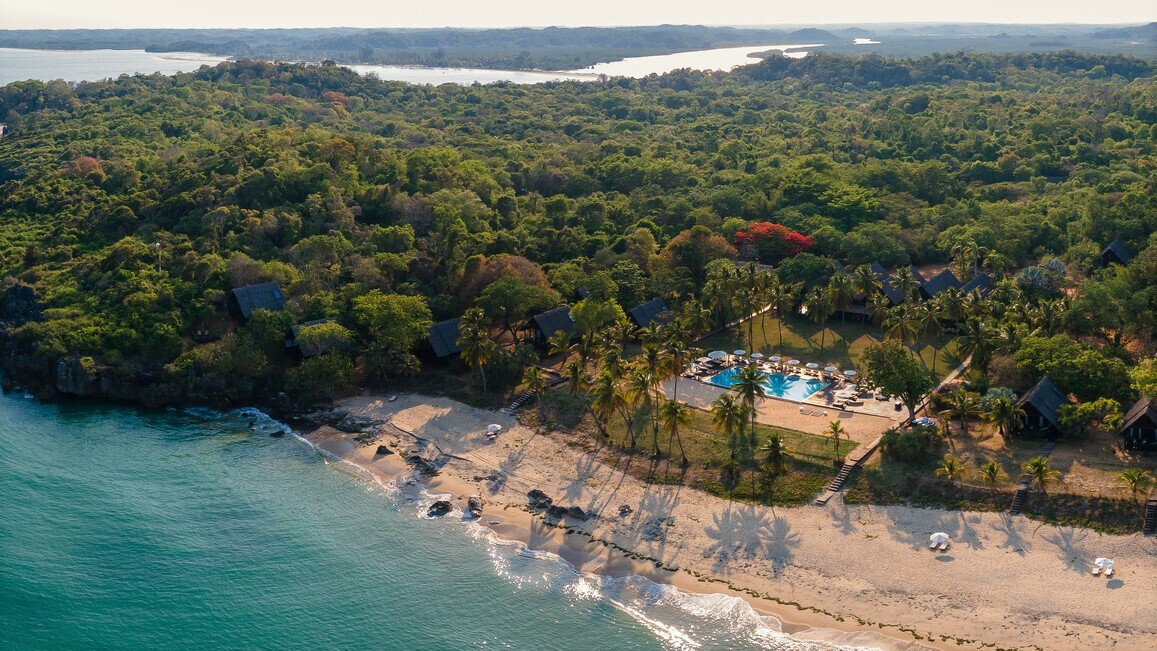
For mainland Madagascar, Anjajavy Le Lodge sits on a private peninsula in northwest Madagascar, accessible by charter flight from Antananarivo. The property occupies a rosewood forest between the Mozambique Channel and a turquoise bay, with villas built from local materials overlooking the water. The setting provides access to both marine life (sea turtles, dolphins) and the unique dry deciduous forest ecosystem with lemurs, fossas (Madagascar's largest predator), and endemic birds.
What makes Anjajavy special is the genuine remoteness combined with comfortable infrastructure. You're experiencing Madagascar's biodiversity without sacrificing hot water or decent food. The guides know the forest intimately, and the private reserve means you're not competing with other tourists for wildlife sightings. Through our Virtuoso partnership, you'll receive daily meals, a resort credit toward excursions, and room upgrades when available.
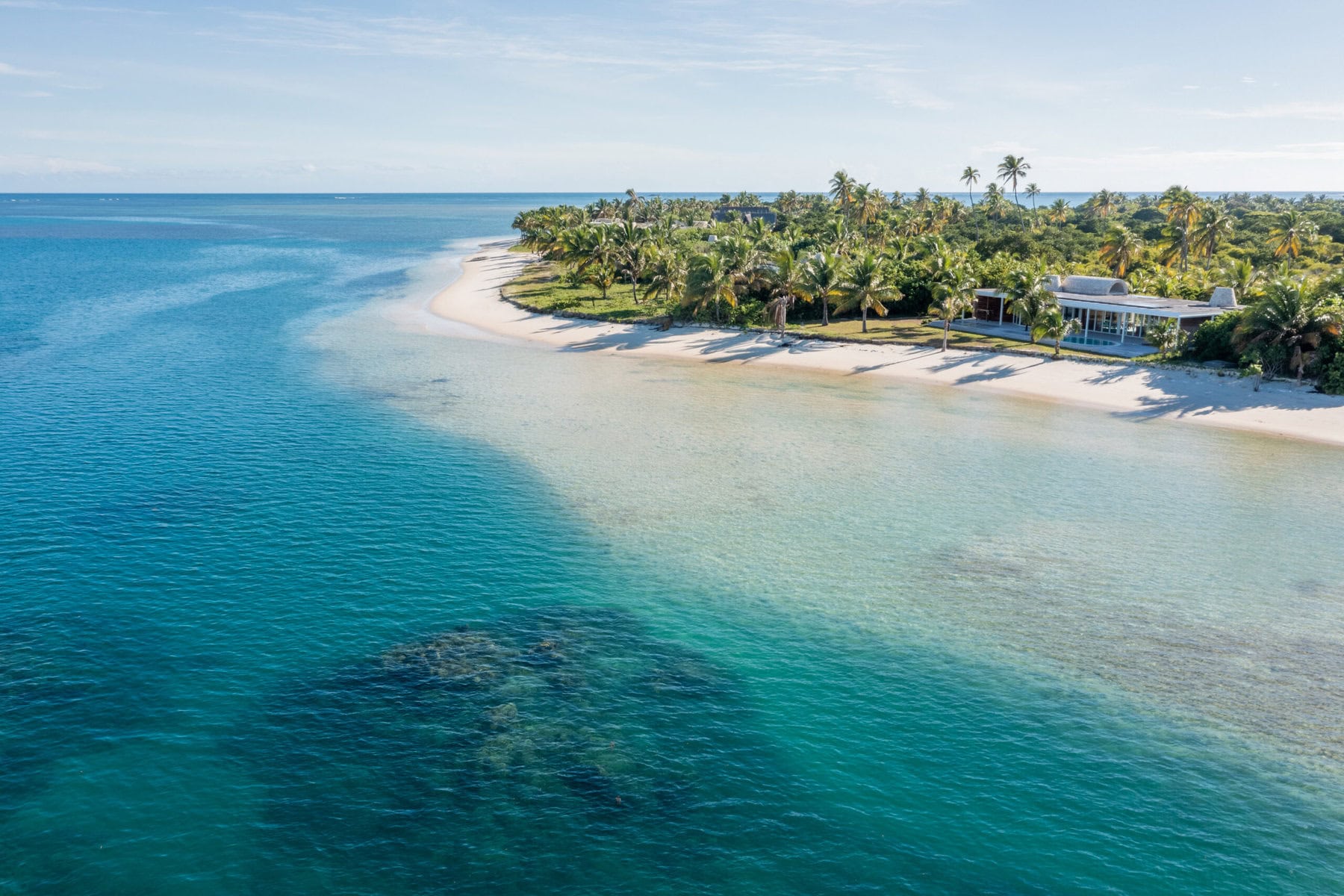
For the ultimate Madagascar experience, Miavana by Time + Tide occupies Nosy Ankao, a private island off the northeast coast. The fourteen villas spread along the beach, each with private pools and direct ocean access. The property emphasizes marine experiences (diving, snorkeling, whale watching) while also arranging helicopter excursions to mainland national parks for lemur tracking.
Miavana operates at a level of luxury rare in Madagascar. The food is exceptional, the marine biologists on staff provide genuine expertise, and the spa incorporates local ingredients and Malagasy healing traditions. September is ideal here for whale watching directly from the island, while June offers excellent diving visibility and comfortable temperatures. Virtuoso perks include daily meals, activity credits, and room upgrades when available.
Why These Months Work
June and September avoid Madagascar's extremes. The December through March rainy season makes many areas inaccessible and turns roads into mud challenges. The April-May shoulder season can still see significant rain. June and September deliver reliable dry weather, manageable temperatures, and access to the full range of Madagascar's extraordinary biodiversity.
Both months also offer distinct advantages. June provides cooler temperatures ideal for active exploration and sits before peak tourist season. September adds whale watching and slightly warmer weather while avoiding the November rains that signal dry season's end.
Ready to explore Madagascar's unique wildlife? Enquire with The Camel Collection and let us design your Malagasy adventure, from lemur encounters to private islands to landscapes found nowhere else.

.webp)


.svg)
.svg)
© 2025 Camel Collection
Hughenden, Rock Road, Rock, Cornwall, United Kingdom, PL27 6PW