
.png)
Iceland


Best Time to Visit Iceland: June and December
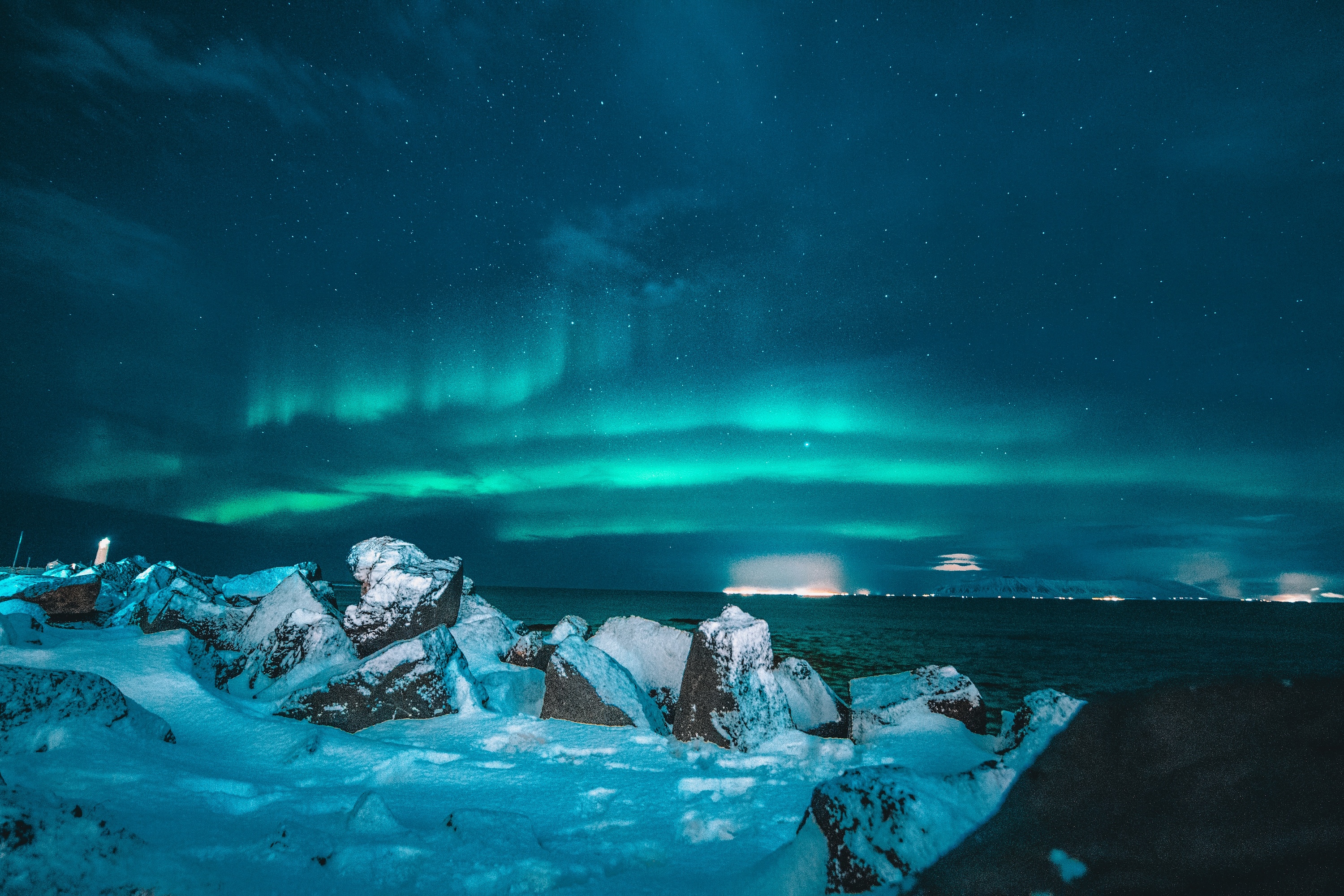
Iceland operates on extremes. June brings the midnight sun, turning night into extended twilight and giving you nearly 24 hours of usable daylight for exploration. December delivers polar darkness, northern lights, and the kind of winter landscapes that make you understand why Iceland became shorthand for dramatic scenery. If you're wondering when to visit Iceland, these two months offer completely opposite experiences of the same country. June emphasizes outdoor adventure and accessibility. December focuses on aurora hunting and embracing winter's intensity.
June: Midnight Sun and Peak Access
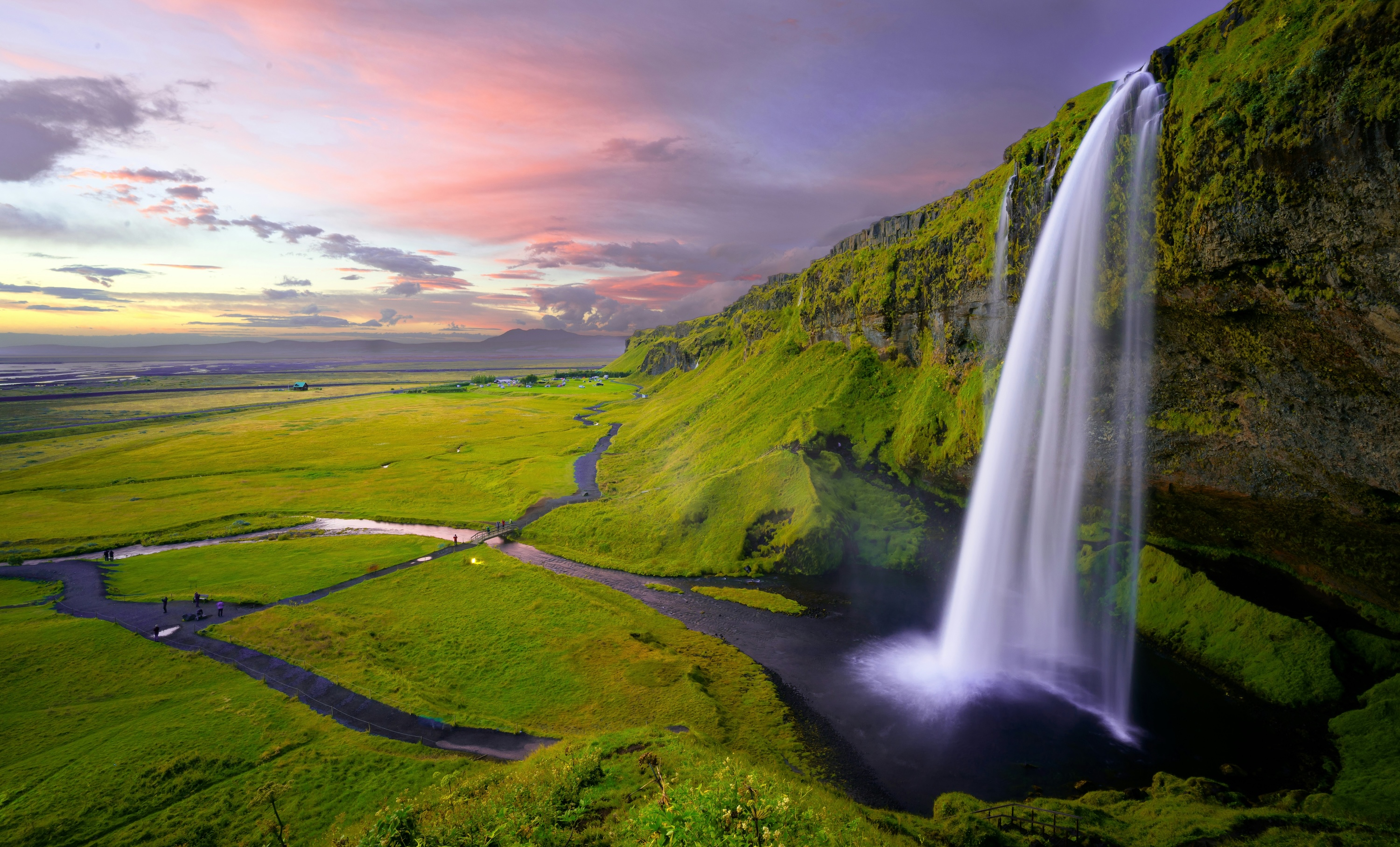
June in Iceland means the sun barely sets. At the summer solstice around June 21st, Iceland gets nearly 24 hours of daylight, with the sun dipping just below the horizon before rising again. This creates extended golden hour light that photographers chase and makes it possible to hike, explore, or drive at any hour without concern for darkness.
The temperatures in June sit around 10-15°C, which feels pleasantly cool rather than cold. The highland interior roads, including the F-roads that require 4x4 vehicles, typically open in June after winter closures, giving access to landscapes like Landmannalaugar with its rainbow-colored mountains and geothermal hot springs. The Ring Road circuit remains accessible year-round, but June adds the interior routes that showcase Iceland's most remote and dramatic terrain.
June brings puffin season to Iceland's coastal cliffs. These comical seabirds nest in large colonies, particularly on islands like Vestmannaeyjar and cliffs near Vík, and June through August is when they're most visible before heading back out to sea. Whale watching from Húsavík or Reykjavík sees peak activity in June, with humpbacks, minkes, and occasionally orcas feeding in Iceland's rich coastal waters.
December: Northern Lights and Winter Magic
December in Iceland means darkness, with only 4-5 hours of daylight around the winter solstice. But that darkness creates ideal conditions for the northern lights. The aurora borealis is visible from September through March, but December's long nights maximize your chances of seeing the green (and occasionally red or purple) curtains dance across the sky. Clear weather helps, and Iceland's December weather is notoriously unpredictable, but when conditions align, the displays can be spectacular.
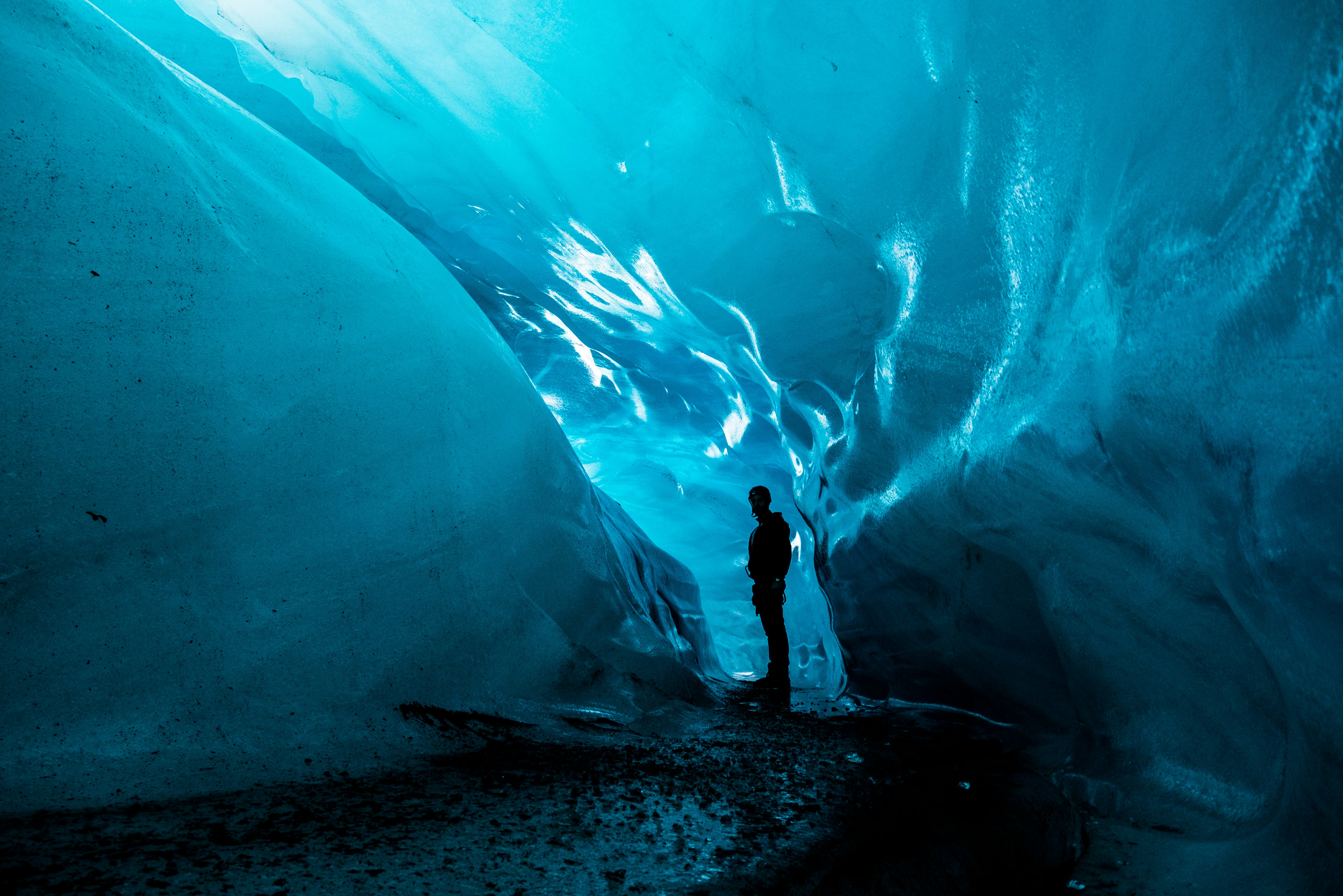
The landscapes in December transform into something from fantasy novels. Waterfalls like Gullfoss and Skógafoss partially freeze, creating ice formations alongside the flowing water. The black sand beaches at Reynisfjara look even more dramatic against snow-covered basalt columns. The glaciers and ice caves become accessible through guided tours, with crystal-blue ice formations inside Vatnajökull glacier that exist only in winter.
December also brings Christmas markets to Reykjavík and a distinctly Icelandic approach to the holidays involving thirteen Yule Lads (trickster figures who visit children) rather than a single Santa Claus. The capital's restaurants and bars operate year-round, and there's something particularly cozy about Icelandic hygge (or the local equivalent) when it's dark and cold outside.
Where We'd Stay: Deplar Farm
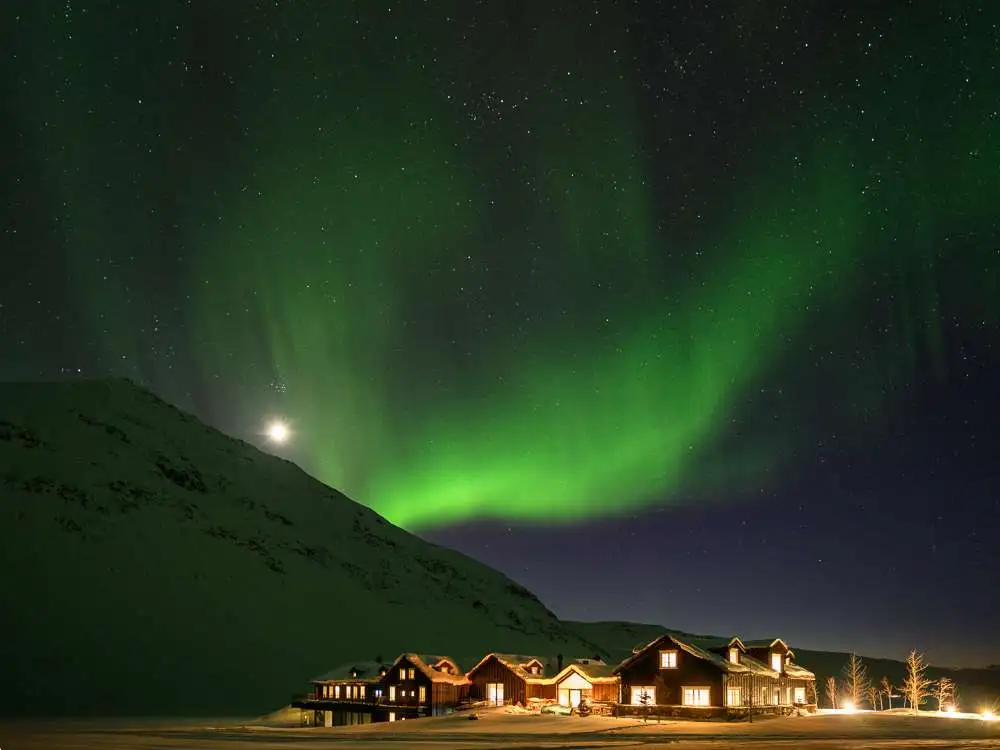
For Iceland beyond Reykjavík, Deplar Farm sits in the Troll Peninsula in the country's remote north. The property occupies a converted sheep farm in the Fljót Valley, surrounded by mountains and positioned for access to the kind of Iceland that requires effort to reach. The design is contemporary luxury that respects the landscape: floor-to-ceiling windows framing mountain views, Icelandic wool and basalt in the interiors, and a spa with geothermal pool that uses the earth's heat directly.
What sets Deplar Farm apart is the emphasis on adventure and expertise. The property arranges heli-skiing in winter, midnight sun hikes in summer, guided fishing in glacier-fed rivers, and northern lights excursions with guides who understand weather patterns and aurora forecasting. The kitchen emphasizes Icelandic ingredients (lamb, seafood, seasonal vegetables) prepared with techniques that elevate rather than obscure the source material.
June and December showcase Deplar's setting in completely different ways. June brings extended daylight for multi-hour hikes, fishing expeditions, and the strange experience of midnight sun making it difficult to know when to sleep. December emphasizes coziness after winter adventures, with the northern lights often visible directly from the property and the geothermal pool becoming essential after days in the cold. Through our Virtuoso partnership, you'll receive daily breakfast, a resort credit toward activities, and room upgrades when available.
Why These Months Work
June and December represent Iceland's seasonal extremes, which is precisely why they work. June offers maximum daylight and accessibility, ideal if your priority is seeing as much of Iceland's landscapes as possible and engaging in active pursuits. December delivers the northern lights and winter landscapes, perfect if you're willing to trade accessibility for atmosphere and the possibility of aurora displays.
Both months require accepting Iceland's weather unpredictability. June can be rainy and windy, December can be stormy enough to close roads. But the rewards justify the uncertainty: experiencing landscapes that feel genuinely otherworldly, whether bathed in midnight sun or illuminated by dancing green lights.
Ready to experience Iceland's extremes? Enquire with The Camel Collection and let us design your Icelandic adventure, from summer's endless light to winter's aurora magic, complete with exclusive Virtuoso benefits.

.webp)


.svg)
.svg)
© 2025 Camel Collection
Hughenden, Rock Road, Rock, Cornwall, United Kingdom, PL27 6PW